When a fire breaks out or an intruder forces their way into a building, the next few minutes determine everything. Florida properties face a wide range of life-safety risks year-round, ranging from hurricane-season system failures to active physical threats. In those first critical moments, trained, on-site security personnel are your first line of action.
Why On-Site Emergency Preparedness Matters in Crucial First Minutes
Valuable lives are won and lost in the gap between when a crisis starts and when municipal first responders arrive. Understanding what happens inside that window is essential for any Florida property manager or facility director.
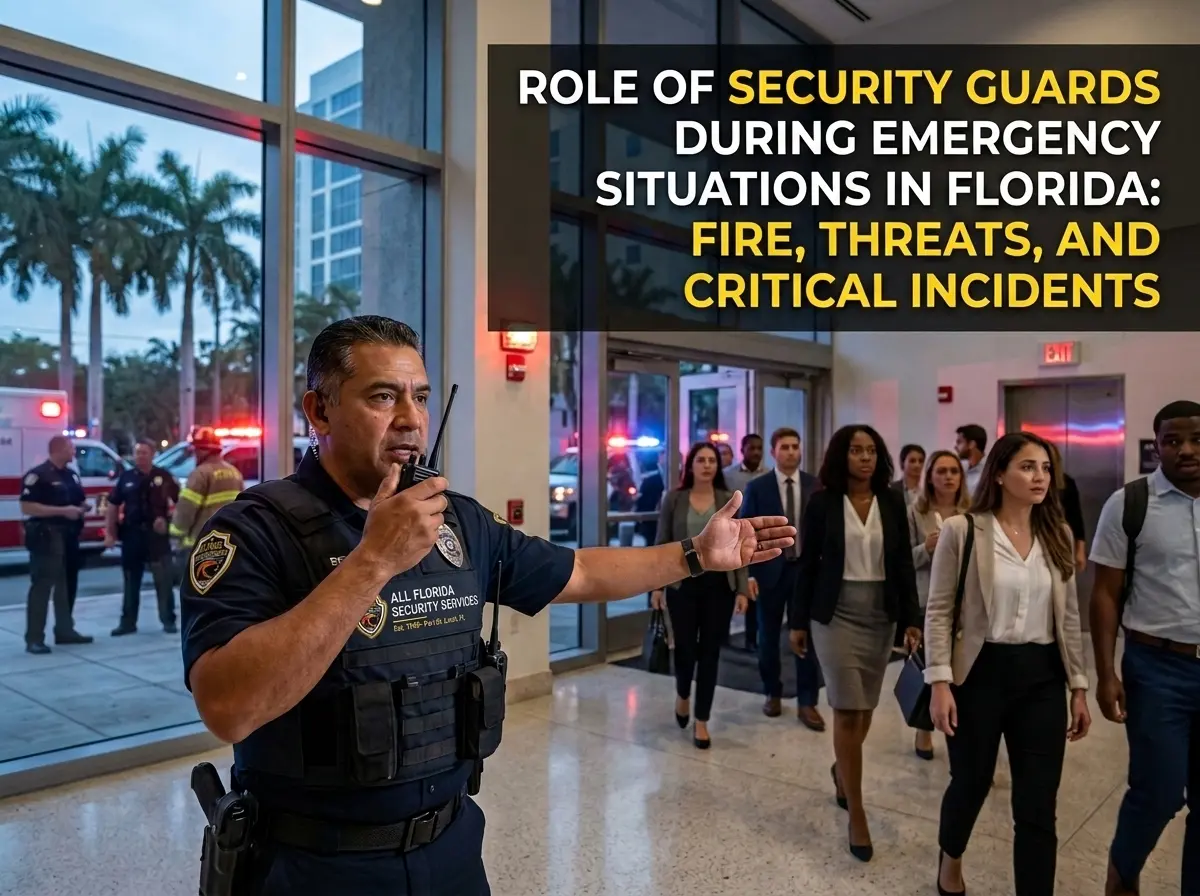
The first 5 to 10 minutes of any critical incident are the most consequential. Whether it is a fire or a medical situation, the immediate role of security guard during emergency events is to fill the gap between the hazard’s onset and the arrival of fire departments or EMS units. It requires trained intervention that directly shapes outcomes for property occupants and your legal liability.
Guards are trained to direct frightened people toward safe exit routes, keep egress paths clear, and establish basic containment around a threat area. That kind of grounded presence prevents a manageable incident from escalating.
The immediate objectives of professional security guard emergency procedures are:
- Rapid Life-Safety Threat Assessment: Instantly determining the nature and scale of the emergency — whether it is smoke in a stairwell or a physical confrontation — so appropriate resources are activated without delay.
- Direct First Responder Routing: Serving as the dedicated physical liaison who guides fire rescue or law enforcement precisely to the incident location, cutting critical seconds off their response time.
- Orderly Containment: Sealing off hazardous areas to prevent uninformed bystanders and building occupants from wandering into active danger zones.
Phase-by-Phase Security Guard Emergency Response Procedures
Effective emergency response is not improvised. It follows a disciplined, phase-by-phase structure that trained security officers execute without hesitation. Each type of emergency has its own protocol — and each protocol has a measurable impact on life-safety outcomes.
1. For Fire and Smoke Emergencies
Fire emergencies move fast. Before the fire department ever pulls onto the property, a well-trained security officer is already executing a structured set of actions that can contain or mitigate the threat.
Early Guard Intervention
The roles of security guards during fire emergency events begin the moment a system alert sounds or smoke is visually detected. Guards physically inspect the reported area, confirm the presence of a fire or smoke condition, and assess whether it is safe to use a portable fire extinguisher on a small, localized blaze. They simultaneously pull manual alarm stations if automated systems have not already activated, notify emergency dispatchers with the exact building location, and begin directing occupants toward the nearest safe egress routes.
System Deficit Action (Fire Watch)
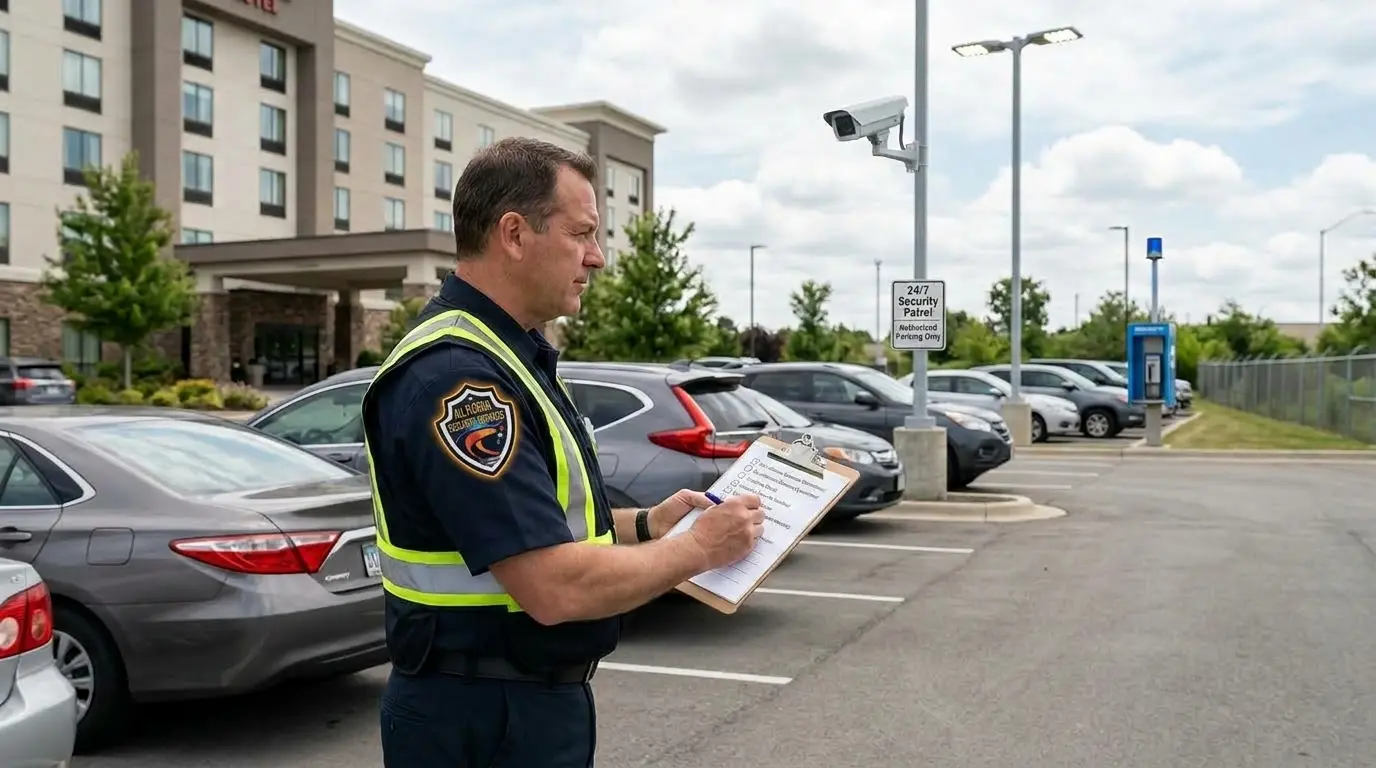
When fire alarm or sprinkler systems go offline, Florida law does not allow a property to simply wait for repairs. Under the Florida Fire Prevention Code, which is based on NFPA 1, if a suppression or alarm system is impaired for more than four hours within a 24-hour period, a dedicated fire watch patrol must be established immediately. This means a security officer conducts systematic, physical patrols of the building at intervals not exceeding 60 minutes. Each patrol round is logged by hand in a physical logbook — documenting the time, route, and any observed conditions. If a hazard is detected, the officer contacts the local fire marshal directly and without delay.
2. Neutralizing Active Physical Threats and Intruders
Active threat situations demand a disciplined, split-second response. Security officers trained in threat assessment and de-escalation techniques execute lockdown procedures before law enforcement units arrive on scene.
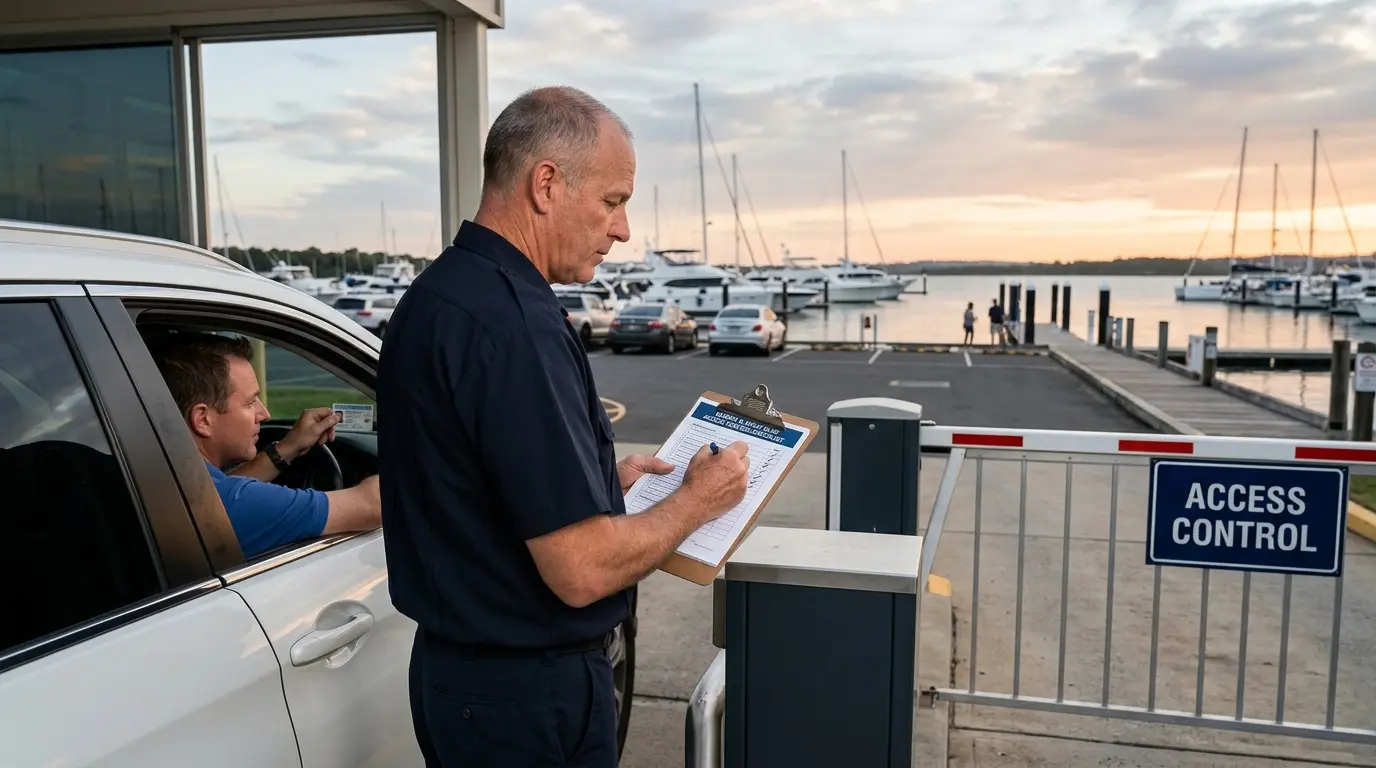
When an armed intruder or unauthorized physical breach is confirmed, guards execute security guard emergency response procedures by immediately interfacing with the building’s access control systems. Main entrances are locked down. Occupants are directed into secure shelter areas and told to stay away from windows and doors. The perimeter around the threat is isolated to the greatest extent possible. Every action is taken to deny the threat freedom of movement and to protect building occupants from direct exposure.
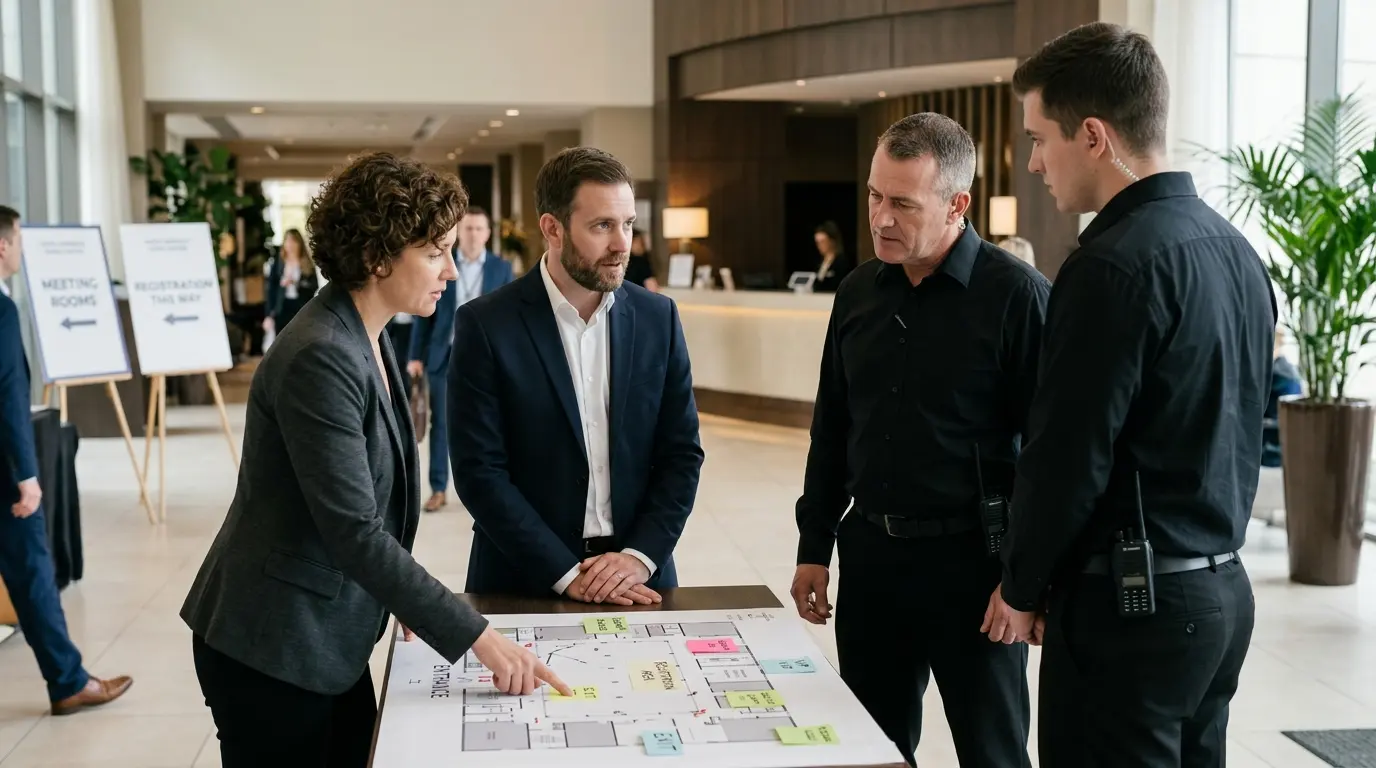
Arriving police officers are walking into an unknown building under high stress. The on-site security officer becomes their critical information source — a real-time relay of CCTV feed data, suspect descriptions, reported weapon types, and last-known threat locations.
3. Managing Acute Medical Crises and Traumatic Incidents
Medical emergencies require security officers to act as immediate care providers until EMS personnel arrive and take over. Proper Basic Life Support training is a non-negotiable component of emergency preparedness for any on-site security team.
Basic Life Support (BLS)
When an occupant collapses, suffers a cardiac event, or sustains a traumatic injury, trained security officers do not stand by. They administer hands-on CPR, deploy automated external defibrillators located throughout the property, and apply hemorrhage control techniques using on-site trauma kits to manage severe bleeding. Every minute without intervention in a cardiac event reduces survival probability. A guard with active BLS certification closes that window while EMTs are still in transit.
Securing the Triage Area
Once a medical emergency is underway, crowd management becomes a direct patient care issue. Security personnel immediately create a clear zone around the patient by moving onlookers back, protecting the individual’s privacy, and keeping a physical lane open for incoming paramedics to reach the scene without delay. A congested, chaotic triage area increases risk and slows treatment. Guards prevent that scenario by actively controlling who is in the immediate space.
Blueprint of a Fire Watch Operation
A professional security agency implements fire watch by deploying dedicated personnel whose sole responsibility is hazard monitoring. They follow documented patrol routes and operate under specific NFPA-compliant time intervals. Their shift reports are submitted directly to property management and, when required, to the local Authority Having Jurisdiction (AHJ).
Their log book records every patrol entry with a time stamp, which demonstrates compliance. The following table lists emergency prevention duties of differnt security guard roles:
| Security Guard Classification | Primary Emergency Focus | Standard Florida Compliance Standard |
| Standard Patrol Guard | Intrusion prevention, access control, general safety monitoring, and building lockup. | Chapter 493, Florida Statutes (Class D or G licensing). |
| Dedicated Fire Watch Guard | Continuous, systematic hazard checks specifically targeting smoke, sparks, and flame. | Florida Fire Prevention Code / NFPA 101 (Mandatory 60-minute patrol intervals & logbook maintenance). |
| Hot Work Safety Guard | Monitoring spark-producing construction activities (welding, cutting). | NFPA 51B (Post-operation monitoring for a minimum of 30 minutes after hot work ceases). |
Legal Warning: Do not combine roles. Florida fire codes dictate that personnel assigned to fire watch must have no other duties. Using your active lobby guard to perform fire watch sweeps violates NFPA 101 standards and can result in immediate building closure by the local Authority Having Jurisdiction (AHJ).
Post-Emergency Documentation and Scene Control
What a security team does in the hours after an emergency is just as legally significant as what they do during it. Scene integrity and accurate documentation are the two pillars of post-incident risk mitigation for Florida property owners.
Preserving the Integrity of the Scene
Once a fire, threat, or medical emergency has stabilized, the security officer’s job is not over. Guards immediately establish a controlled perimeter around the affected area using barrier tape or physical positioning. Unauthorized personnel — including curious staff and building occupants — are denied access. Physical evidence is left undisturbed for law enforcement and fire marshal investigators. Maintaining that scene integrity prevents contamination of evidence and protects the property owner from allegations of negligence or tampering.
Accurate Incident Documentation
Complete incident documentation is one of the most powerful legal protections a Florida property owner can have. Security officers produce detailed shift logs that capture exact event timelines, personnel involved, actions taken, and communications made. Digital records, handwritten logbook entries, and direct witness statements gathered at the scene all form an evidentiary record. That record shields the property owner against premises liability lawsuits and supports accurate insurance claim processing when losses occur.
Selecting an Emergency-Ready Security Partner in Florida
Not every licensed security agency in Florida is equipped to handle life-safety emergencies. Knowing what to look for before a crisis happens is the only protection that matters.
Florida Chapter 493 sets the baseline for all licensed security professionals operating in the state. But licensing alone does not indicate emergency readiness. When evaluating a security partner, look specifically for documented experience in crisis response, incident command coordination, and disaster preparedness protocols. Confirm that every officer deployed to your property carries a current Class D or Class G individual license issued by the Florida Department of Agriculture and Consumer Services.
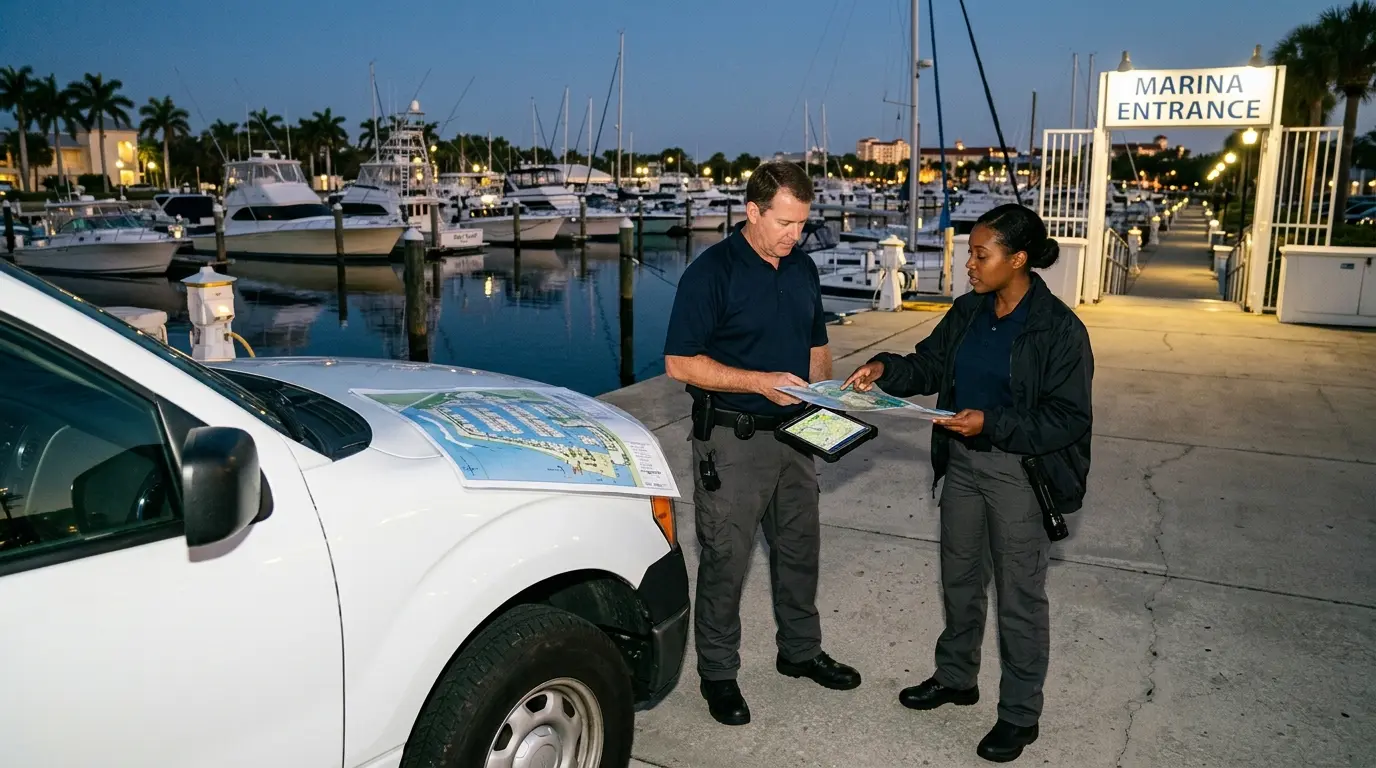
A regional security partner with a 24/7 dispatch center on the Treasure Coast can deploy trained emergency security guards to your location in a fraction of the time a distant agency could. Local teams know the road corridors and municipal emergency contact hierarchies. For Florida property managers on the Treasure Coast, that regional presence is a direct operational advantage.
Ready to Protect Your Florida Property? Contact All Florida Security Services
All Florida Security Services is a licensed Florida security guard company serving commercial properties, multi-family housing, and corporate facilities across the state. They can help whether you need 24/7 on-site patrol guards, a compliant fire watch team, or rapid emergency response deployment on the Treasure Coast. Visit their website to request a consultation or learn more about their full range of emergency-ready fire watch security services.
Frequently Asked Questions
What are the primary roles of security guards during fire emergency events?
Upon detecting smoke during a fire situation, guards immediately activate the alarm and notify the emergency fire dispatchers. They then perform systematic occupant evacuation, guiding them to designated assembly zones outside the building.
How long must a fire watch guard patrol after hot work is completed?
Under NFPA 51B and Florida fire codes, a dedicated fire watch officer must monitor the area for smoldering embers or secondary ignition sources for a minimum of 30 minutes after all welding or cutting operations have fully stopped.
What are standard security guard emergency procedures during an active shooter event?
Guards initiate immediate access control lockdowns, direct occupants using federal DHS run-hide-fight protocols, and relay live suspect location and description directly to arriving law enforcement and SWAT units.