
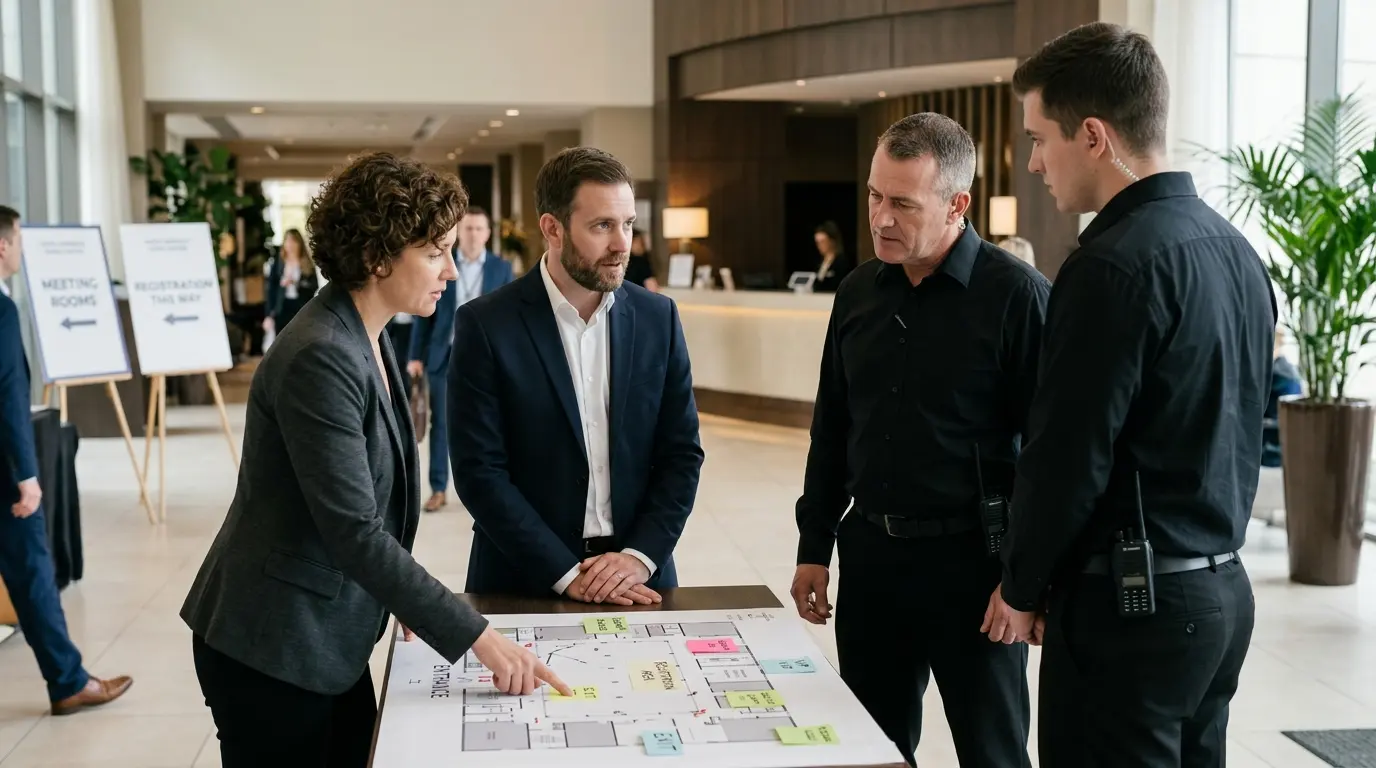
When a hotel books a conference or a large event, the security protocols change. A crowd of people who are not registered guests starts moving through spaces the regular security routine wasn’t built to monitor. Therefore, hotel event security has to be planned separately from daily property security, on its own timeline. It needs to be built around that specific event and nothing else.
This post covers what to lock down before the event starts, what to watch while it’s running, and what to close out once guests have left. Handle it this way, and you can plan your event security with full confidence.
Before the Event: Building the Security Plan
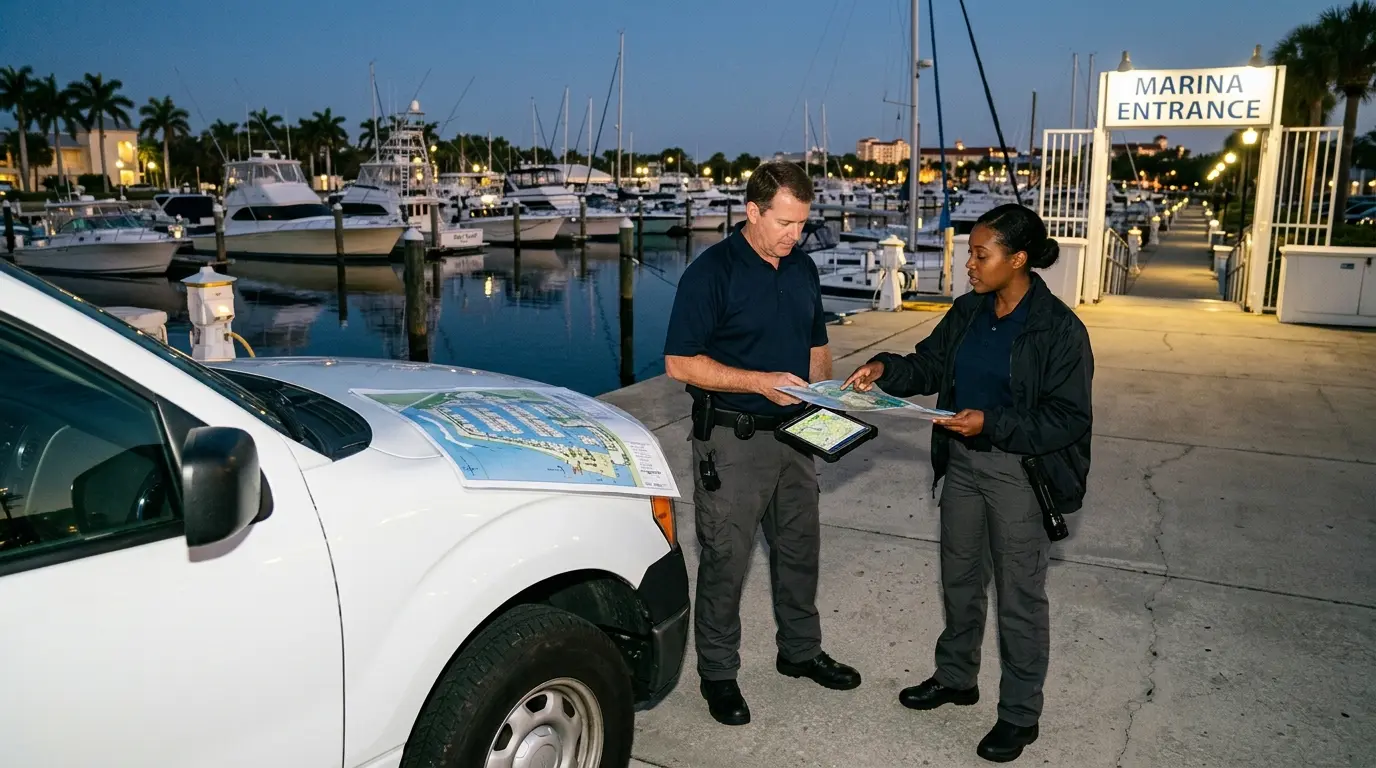
Event security planning has to start as soon as the event is booked, not a week before it happens. A risk assessment done early can still change the room layout or the staffing plan. One done late can only lead to some reactive, last-minute changes, which usually cost more and cover less.
Run a Risk Assessment for This Specific Event
A corporate seminar and a wedding reception carry different security risks, even in the same ballroom. Through proper security risk assessment, you can turn that difference into concrete staffing decision. Focus on:
- How many attendees are expected, and does that number change at any point during the event?
- Will alcohol be served, and for how many hours?
- Are any VIPs, executives, or other high-profile guests attending?
- Is the event open to the public, or limited to a registered guest list?
- Does the layout include multiple rooms or floors that need separate coverage?
Define the Chain of Command Before Anyone Arrives
Confusion mid-event usually traces back to one mistake: nobody agreed in advance who’s responsible for what. The hotel’s own security staff and event security personnel often assume someone else is covering a given area. Hence, put the division of responsibility in writing before the event. Here is a breakdown of who is responsible for what:
- Hotel’s In-House Security: Daily property operations, general common areas, and anything outside the specific event footprint.
- Hired Event Security Personnel: The event space itself — entry points, restricted areas, and crowd management for the duration booked.
- Event Planner’s Own Staff: Guest experience issues, vendor coordination, and escalating anything security-related to the right team on-site.
Set Up Access Control and Credentialing
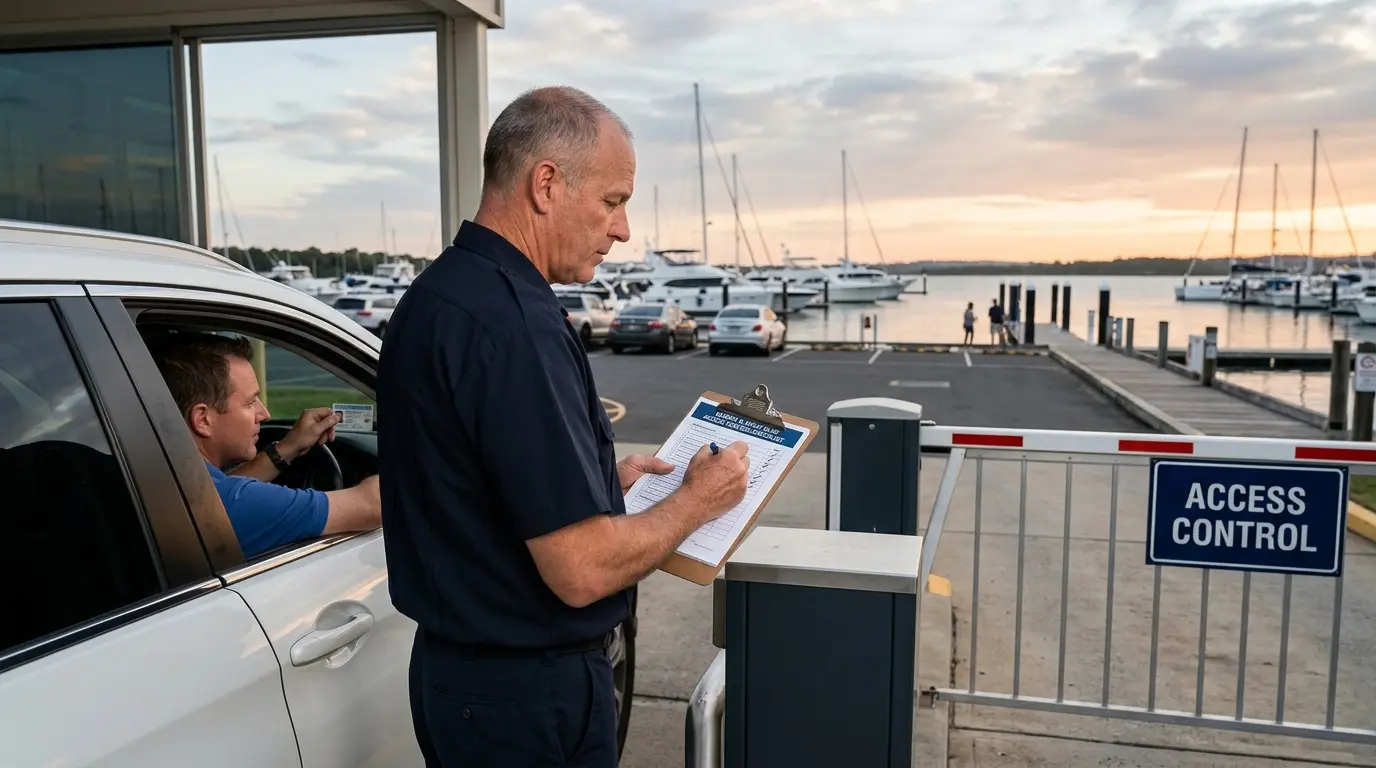
It is important to control attendee access at registration. Check every attendee’s name against the guest list. Use badges or credentials that are hard to copy. Keep a clear line between public hotel areas and the rooms or halls reserved for the event.
One mistake that often happens on the planner’s part: badges laid out alphabetically on a table. Anyone can walk up and grab the badge with someone else’s name on it. Have staff verify identity before handing a badge over, instead of letting guests pick their own.
Loop In Local Law Enforcement for Larger Events
For any event drawing a large crowd or hosting a high-profile guest, notify local law enforcement of the date and time in advance. Local officers can respond faster to a call at a venue they already know about, and giving them a heads-up in advance costs nothing.
Managing Security During the Event
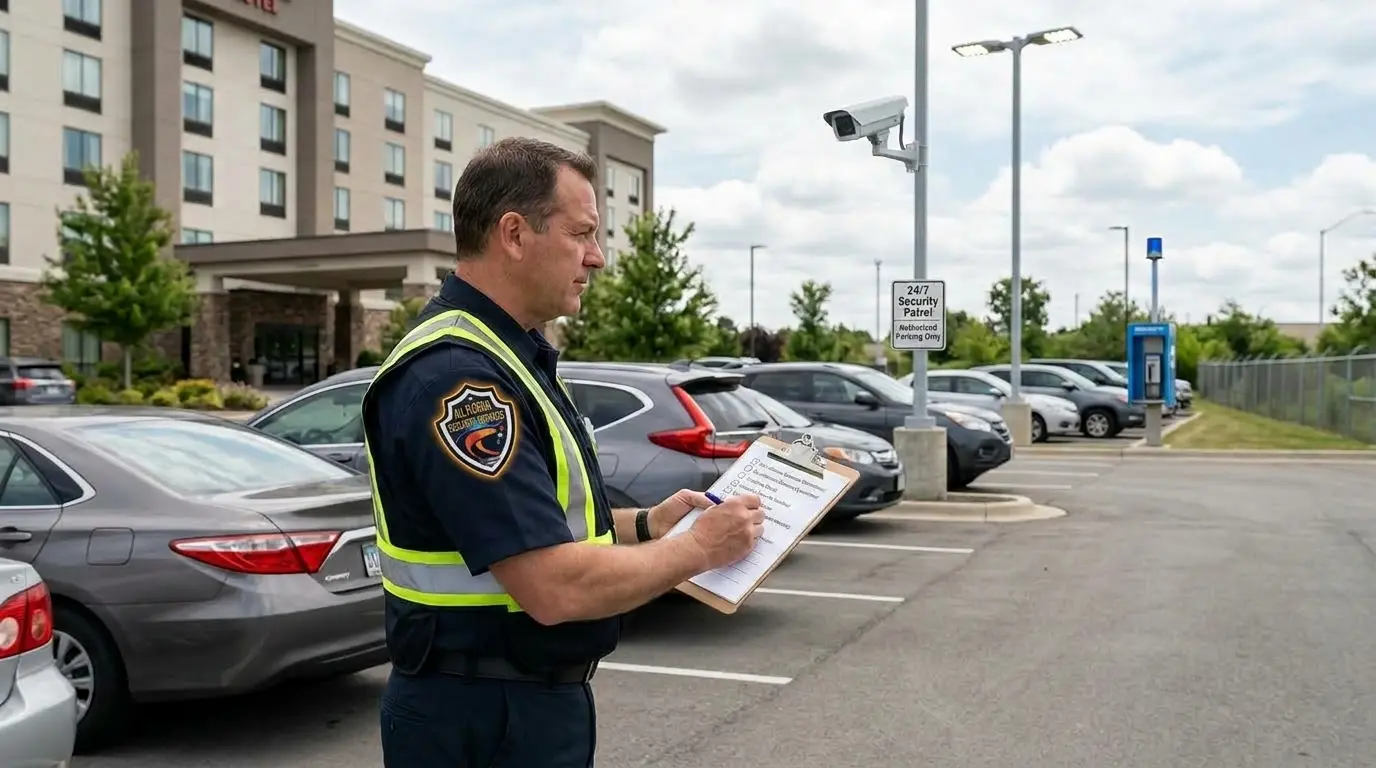
Once doors open, planning turns into execution. Conference security at this stage is about staying positioned where problems are most likely to start.
Monitor Entry Points and Crowd Flow
Every entry point needs someone actively checking credentials, along with a prominent sign asking guests to wear their badge. Verifying who is allowed in is one job. Watching crowd flow so bottlenecks at registration or the bar don’t turn into a bigger problem is another. A bag check belongs here too, when the event’s risk level calls for one.
Keep Restricted Areas Off-Limits
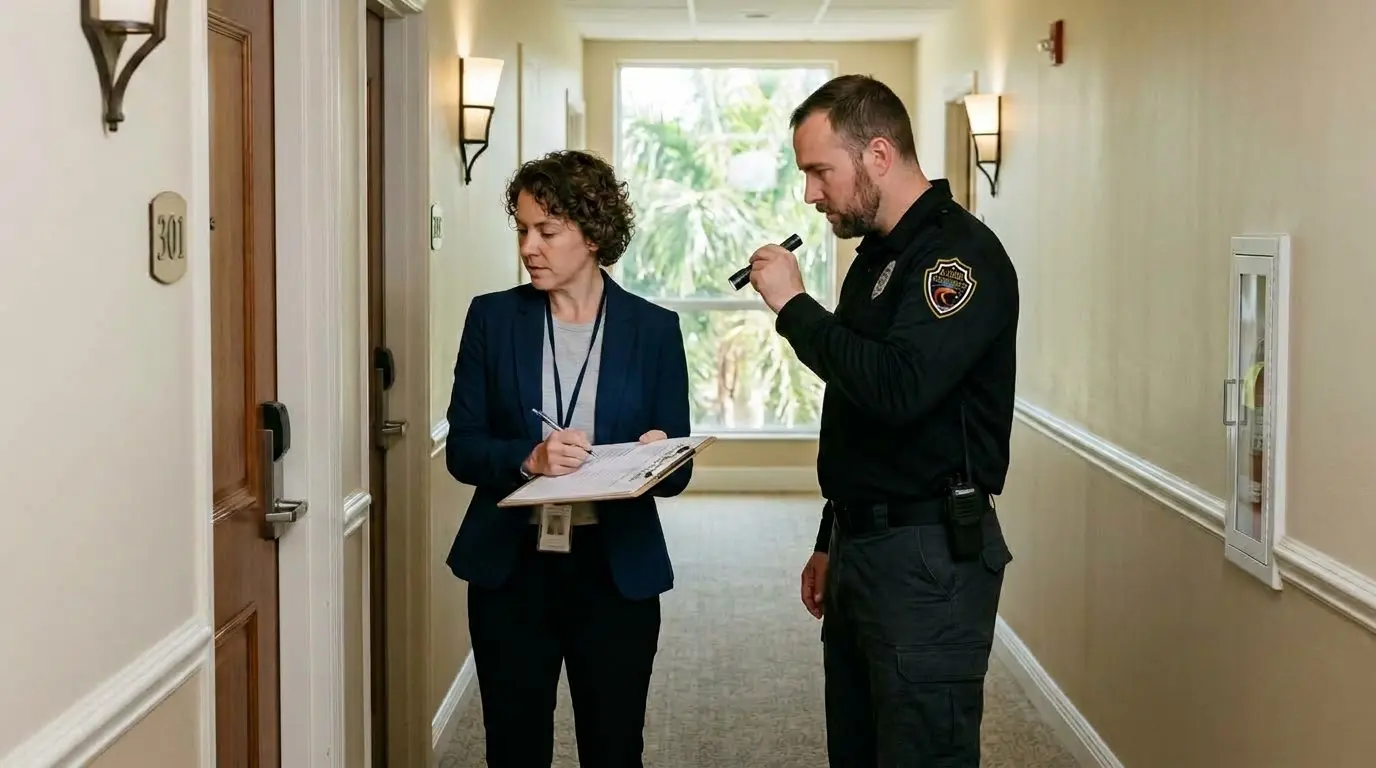
Storage rooms and any meeting rooms not part of the event need a physical boundary. Vendors and catering staff moving through these areas create natural cover for someone who wanders in without authorization. You can close this gap by having a security presence at these boundaries during active event hours.
Give VIPs and High-Profile Guests Dedicated Coverage
A keynote speaker, an executive, or any high-profile attendee changes the security posture for the whole event. That means dedicated coverage during arrival and departure, since that’s when a VIP is most exposed to the general crowd around them.
Keep Communication Protocols Active Throughout
Security personnel and hotel staff need one shared way to reach each other during the event. When something happens, the person who spots it and the person who can act on it need to connect in seconds, not minutes.
After the Event: Closing Out Security Operations
You cannot label a hotel event as secure just because it ended without an obvious incident. This closing phase is where liability actually gets settled, since incident response and documentation from that night become the record everyone relies on afterward.
Debrief and Document Every Incident
Anything flagged during the event belongs in the post-event record, however minor it seemed at the time, along with when it happened and who responded. If a complaint surfaces weeks later, this documentation is the only accurate account anyone has to work from.
Secure the Breakdown and Vendor Departure
The risk does not end when guests leave. Vendors are still moving equipment through loading areas, and staff are breaking down a ballroom full of valuable gear. Keep security coverage in place through breakdown because an unattended loading dock at midnight has every chance to get exploited.
In conclusion, professional hospitality event security is not just about the hours guests are in the room. It’s about giving the planners peace of mind from the first vendor truck to the last one leaving.
Frequently Asked Questions
What should be on a hotel event security checklist?
At minimum, a risk assessment, a defined chain of command, credential verification at entry points, and a communication plan connecting security to hotel staff. Add VIP coverage and a documented incident-response plan for any event with high-profile attendees or alcohol service.
How far in advance should conference security planning start?
As soon as the event is confirmed on the hotel’s calendar, ideally several weeks out rather than days. Early planning gives the security team time to adjust staffing or room layout instead of reacting to decisions already made.
Does a hotel’s existing security staff handle event security, or does it need a separate team?
Daily hotel security is built around routine property operations, not a one-time event with its own crowd and risk profile. Most hotels bring in dedicated event security services for the specific dates and hours the event runs, then scale back down afterward.
Plan Your Next Event With Confidence
A well-run event needs a security plan built for that specific date, guest list, and layout. All Florida Security Services works with hotels and venues across the state to staff conferences, galas, and corporate events from setup through breakdown. Contact us to build a hotel event security plan around your next booking.