
A hotel lobby is the one commercial space designed to let strangers walk in freely. That openness is also the property’s biggest security exposure, since anyone can enter without an appointment or an invitation. This unique business situation means every hotel has to get two things right at the same time. Guests need to feel welcomed the moment they walk through the door, with no awkward friction slowing them down. At the same time, staff need a way to keep out people who have no real reason to be on the property.
This post walks through the entry points that need attention, the staffing and protocols that keep your hotel safe overnight, how to handle visitors and contractors, and the technology that pulls it all together.
Why Lobby and After-Hours Access Deserves Its Own Security Plan
Hotel access control covers the credentials and entry points that decide who can move through a property and when. It governs three distinct categories: guest rooms, the public lobby and building entrances, and staff-only areas. Each one carries a different risk profile, and each needs its own rule set instead of one blanket policy.
Daytime and overnight bring two very different risk windows. During peak arrival hours, a crowded lobby makes it hard for staff to spot one unauthorized person among dozens of legitimate guests checking in. Overnight, the opposite problem shows up: fewer staff and fewer guests mean an unregistered visitor stands out more, but only if someone is actually watching the door. A hotel’s access plan has to answer both conditions with the same level of attention.
Here is what you actually put at stake when you treat access control as an afterthought:
- Guest safety: unrestricted entry lets in intoxicated non-guests or trespassers looking for an easy target.
- Property and liability exposure: unmonitored access points create openings for theft from guest rooms, vehicles, or storage areas.
- Brand trust: just one publicized security incident can undo years of guest loyalty faster than a whole bunch of bad reviews.
With the stakes laid out, the next step is breaking down exactly which physical zones need locking down.
The Access Points Every Hotel Needs to Control
Treating a hotel as one undifferentiated space is the most common mistake in access planning. Each zone below carries its own risk and needs its own rules.
Guest Room and Floor Access
Guest room access is the layer most hotels already get right, since key cards and mobile keys have mostly replaced metal keys. The real value of these systems isn’t just convenience — it’s the audit trail they leave behind. Management can see exactly which credential opened a door and when. That record becomes critical evidence if a guest reports a break-in or a missing item.
Main Lobby Entrances and Side or Service Doors
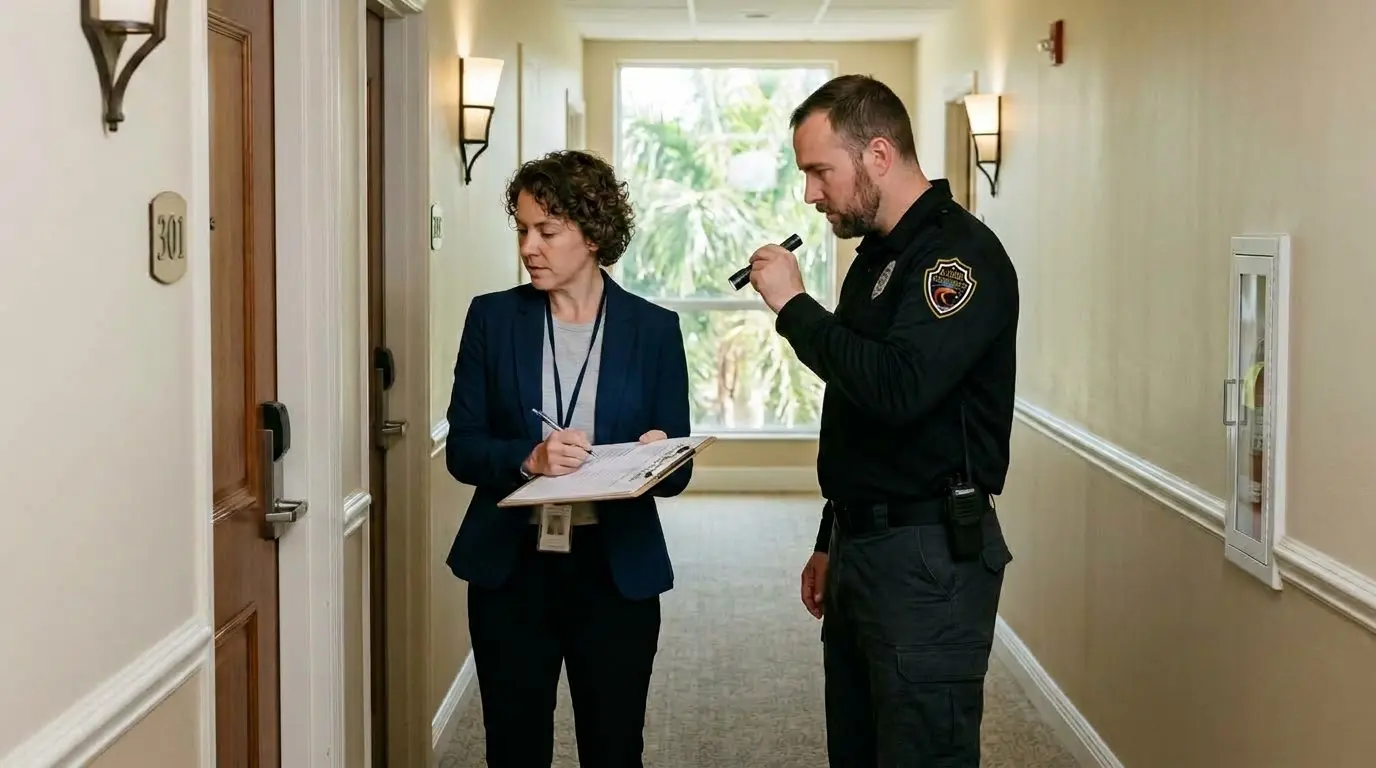
The front door gets the most attention when it comes to hotel entrance security, but side doors and staff exits are where guest access control most often breaks down. These doors get propped open for deliveries, used as smoking-break shortcuts, or left unlocked because no one’s assigned to watch them. Any door capable of reaching a guest floor needs the same access logic as the front entrance, even if it sees far less foot traffic.
Back-of-House and Staff-Only Areas
Staff areas need their own credential tier, kept separate from guest access. A housekeeping card should never open an executive office, and a guest key should never reach the cash room. Master key discipline matters just as much: master keys should stay logged in and out daily, with one person accountable for the inventory. They should never be handed to a guest under any circumstance.
Bonus Tip: Managing Lobby Traffic Without Losing Sightlines
Most hotels standardize check-in around 3 PM, which means lobbies swing from empty to overwhelmed within the same hour. A conference group or tour bus arriving all at once multiplies that crowd further, and a packed lobby makes it far harder for front desk staff to notice someone slipping past reception toward the elevators. Consider thinning out that crowd through staggered arrival windows or a digital check-in queue. It gives your staff a clearer line of sight on who’s actually in the building.
A few situations where congestion substantially increases risk:
- A tour bus of forty guests arriving at once pulls every front desk agent’s attention away from the door for several minutes.
- A large conference check-in creates a wall of luggage and bodies that blocks staff sightlines to the main entrance.
- Breakfast and checkout rushes pull roving staff away from public areas at the exact hours those areas see the most foot traffic.
Building an After-Hours Lobby Security Protocol
A hotel lobby security protocol nobody follows is not a protocol at all. Here’s how to build one that actually holds up overnight.
Staffing the Entrance After a Set Hour
After a defined hour, someone should be posted at the front entrance to greet every person who walks in. A visible, present staff member does more to deter someone with no legitimate reason to be there than any locked door on its own. That greeting should accomplish one simple thing: confirming the person is a registered guest or has a specific, verifiable reason to be on property. For properties that need dedicated overnight coverage, hotel security guard services can provide trained personnel to support these after-hours protocols.
Setting Staffing Levels by Location
The right level of after-hours staffing depends heavily on where the hotel sits, not on some fixed industry rule. A property in a dense downtown entertainment district needs more overnight presence at its entrances than one sitting off a quiet highway exit, simply because foot traffic and the odds of an intoxicated non-guest wandering in are both higher. A hotel’s location should be part of the original staffing calculation, not an afterthought bolted on later.
Watching the Property’s Public Spaces
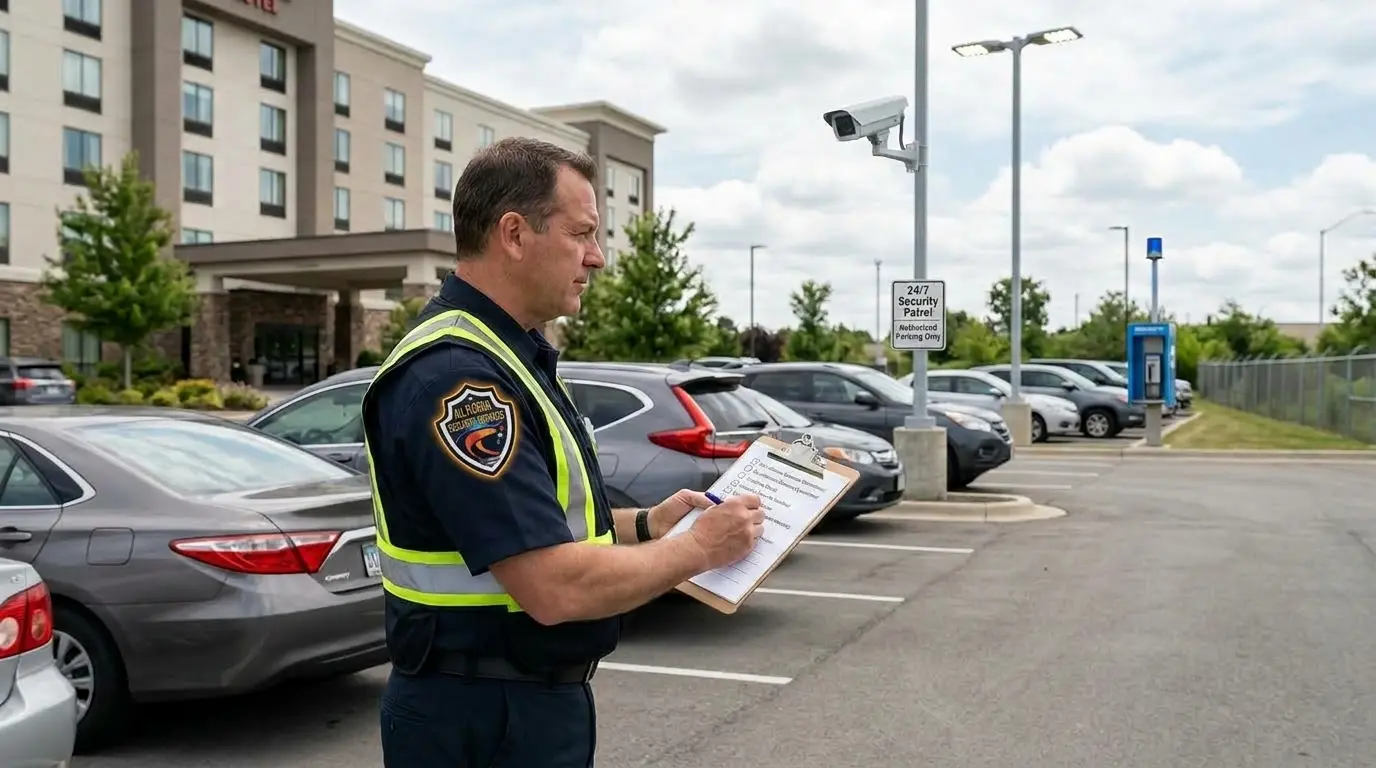
Camera coverage overnight needs to include the lobby, bar, fitness center, parking lot, and any loading or receiving dock. Recording alone isn’t enough — someone needs to be actively watching those feeds in real time, since footage only helps after an incident has already happened. One low-cost addition worth considering: offering a staff escort from the parking lot to the lobby after dark measurably raises guests’ sense of safety.
Training Staff to Follow the Protocol
Access control policies only work if every employee, not just security personnel, understands and follows them. Training should cover the property’s specific post orders and emergency procedures, and it should repeat on a regular schedule rather than happen once during onboarding. Hotels can also reinforce these protocols through dedicated security training courses tailored to their operational needs.
Coordinating With Local Police
Building a relationship with local police works best before an incident happens, not after. Officers who already know a property’s layout and staff can respond faster and more effectively when something goes wrong. Hotels benefit from sharing observations about suspicious activity in return. Some police departments will even run joint training sessions with hotel security teams on request, at no cost to the property.
How to Manage Visitors, Contractors, and Non-Guests
Access control technology often overlooks one entire category: people who are not guests at all but still need a controlled way onto the property.
Verify Who Has a Reason to Be There
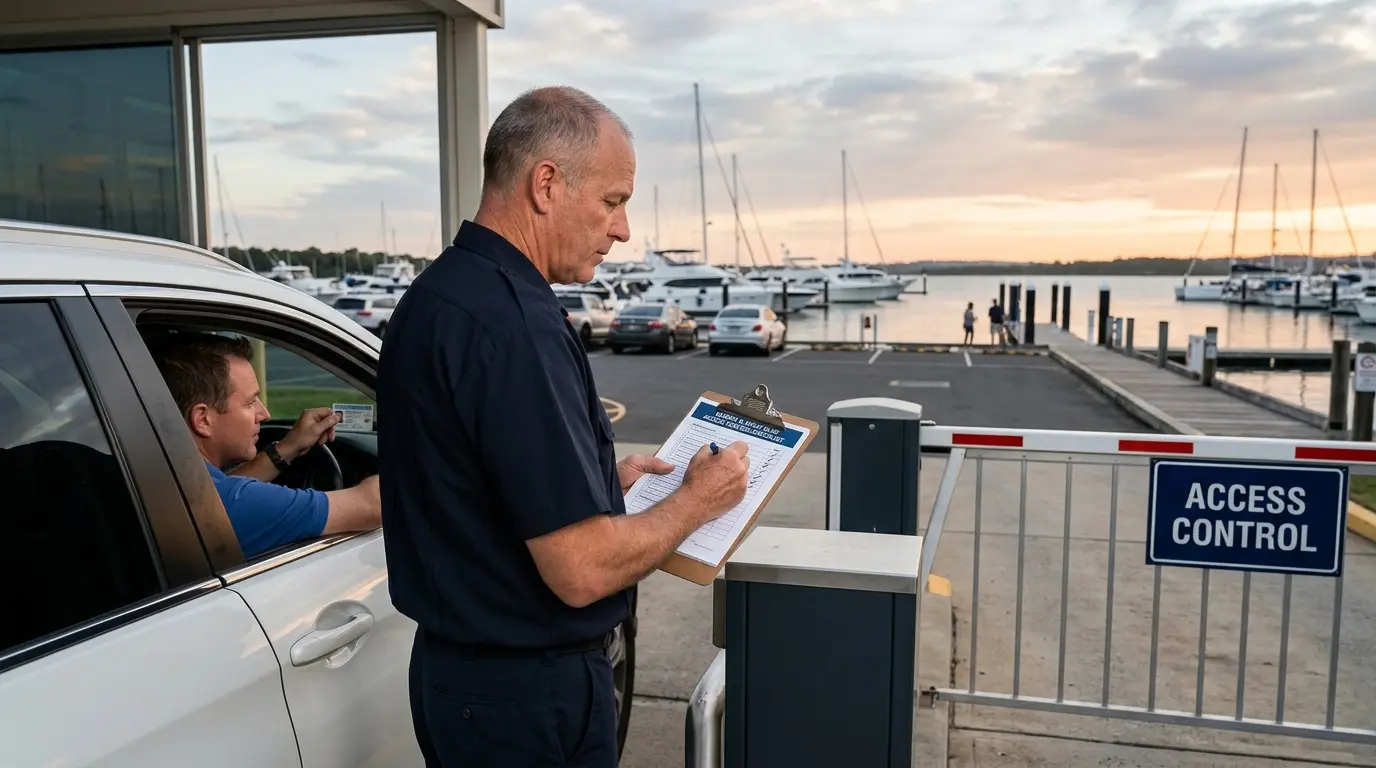
Every hotel employee should know the same rule: access is restricted to registered guests and pre-approved visitors, full stop. That means training staff to ask a simple, polite question of anyone who doesn’t look like a guest, especially after hours, rather than assuming someone belongs just because they walked in confidently. Vendors and repair crews should also show identification and get logged for the specific hours they are on site.
Choose a Way to Track Visitors
At one end of the spectrum sits a paper logbook at the front desk. At the other sits a digital visitor management system that checks someone in, verifies identification, and notifies the host or department they are visiting. In addition to being fast, a digital system’s real advantage is the searchable record it creates. If a question comes up about who was on property at 2 AM, staff can answer it in seconds instead of flipping through handwritten pages.
Choosing the Right Entrance and Guest Access Technology
Most hotels combine more than one credential type rather than relying on a single system property-wide. The right mix depends on your budget, property size, and how much staff time is available to manage lost or malfunctioning credentials.
| Credential Type | How It Works | Best Fit |
| Key card | Encoded card read at each door; deactivated remotely at checkout or if lost | Properties wanting low-cost, easy-to-replace guest room access |
| Mobile/smartphone key | Guest’s phone acts as the credential via app or Bluetooth | Properties prioritizing contactless entry and reducing front desk key handoffs |
| Biometric access | Fingerprint or facial recognition unlocks the door | Staff-only and back-of-house areas needing the highest verification |
| Entrance access control (badge/PIN) | Controls who can open exterior or after-hours-locked doors | Side entrances, staff doors, and loading docks operating outside main lobby hours |
Whichever combination a hotel chooses, the system should generate a log of who accessed which part and when. That log is what turns access control from a locked-door policy into a tool your management can use to investigate an incident or confirm a guest’s account of events.
A Rollout Plan for Tightening Lobby and Hotel After-Hours Access
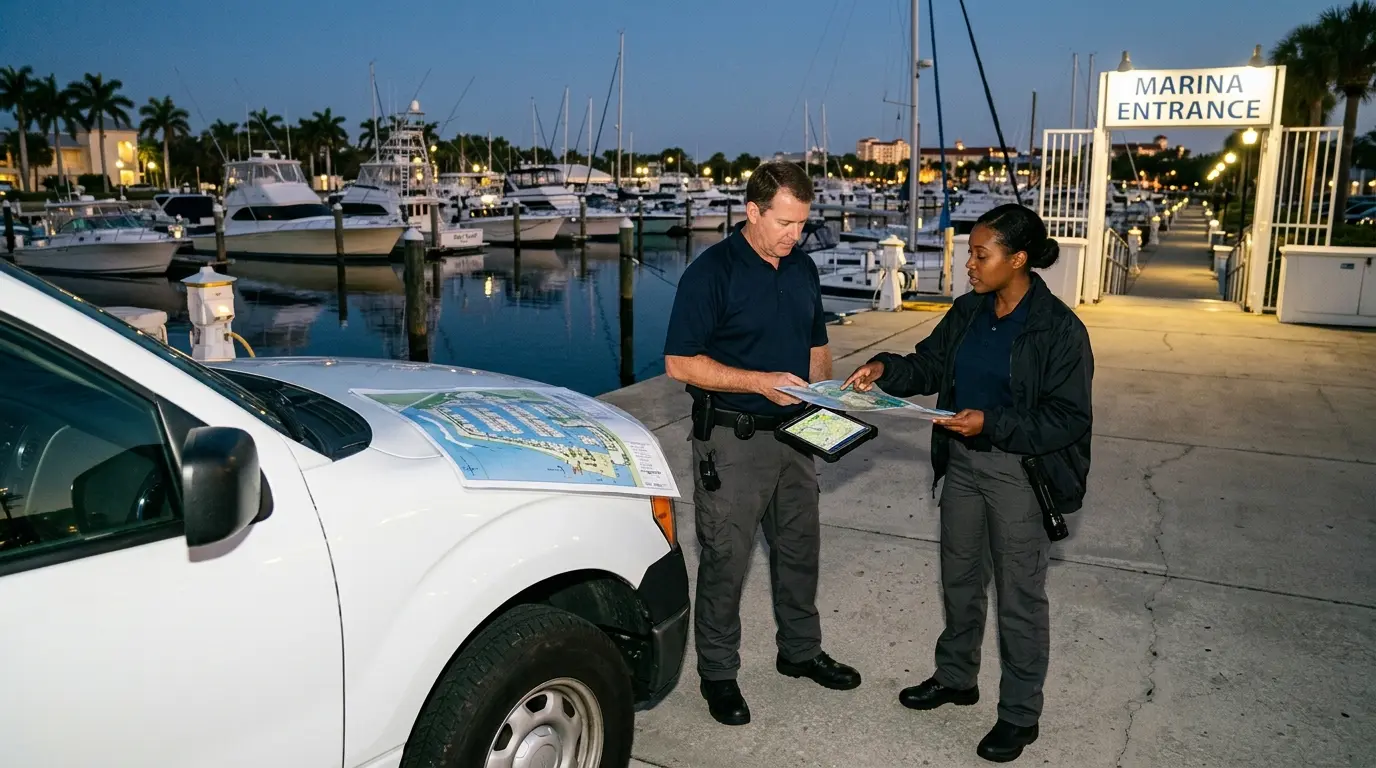
- Map every entry point. Walk the property and list every door that can reach a guest floor, including service and staff exits, then note which ones currently have no monitoring or credential requirement.
- Set an after-hours cutoff time. Pick the hour when staffing shifts to overnight mode and post a team member at the entrance from that point forward.
- Separate credential tiers. Confirm that guest, staff, and master key access are issued and tracked separately, with one person accountable for master key inventory.
- Add or activate camera coverage. Confirm the lobby, bar, gym, parking lot, and dock areas are covered and that someone is assigned to monitor feeds live, not just record them.
- Put a visitor sign-in process in place. Start with a simple sign-in log or tablet kiosk at the entrance, even before considering a full digital system.
- Schedule a walkthrough with local police. Introduce the property’s overnight staff and layout to the nearest precinct before an incident forces the introduction.
- Review incidents and access logs monthly. Use whatever data the credential system produces to spot patterns and adjust staffing or door coverage accordingly.
Get Help Building a Hotel Protocol That Actually Works
Reading a checklist is one thing. Training your team to run it every single night is another. All Florida Security Services provides licensed security personnel and hands-on security training for hotels across Florida, so your after-hours protocol doesn’t just live on paper. Visit our website to talk through staffing and access control for your property.
Frequently Asked Questions
Does a small, independent hotel really need the same after-hours protocol as a large chain?
Yes. The specific staffing numbers will differ, but the core rule of greeting and verifying everyone who enters after hours applies regardless of property size.
What’s the difference between hotel access control and a hotel visitor management system?
Access control governs which credentials open which doors; visitor management specifically tracks and verifies non-guests, like contractors or a guest’s invited visitor, who don’t hold a room key at all.
Can a hotel legally require ID from someone who isn’t a registered guest?
Yes. Florida law treats hotels as private property, so staff can set entry conditions after hours, including asking for ID before letting a non-guest in. Hotels should still put this policy in writing and confirm the exact wording with legal counsel, since enforcement has to stay consistent and non-discriminatory.
How often should master key access be audited?
Master keys should be checked in and out daily by staff, with a full inventory review at least monthly to confirm every key is accounted for and no unauthorized copies exist.