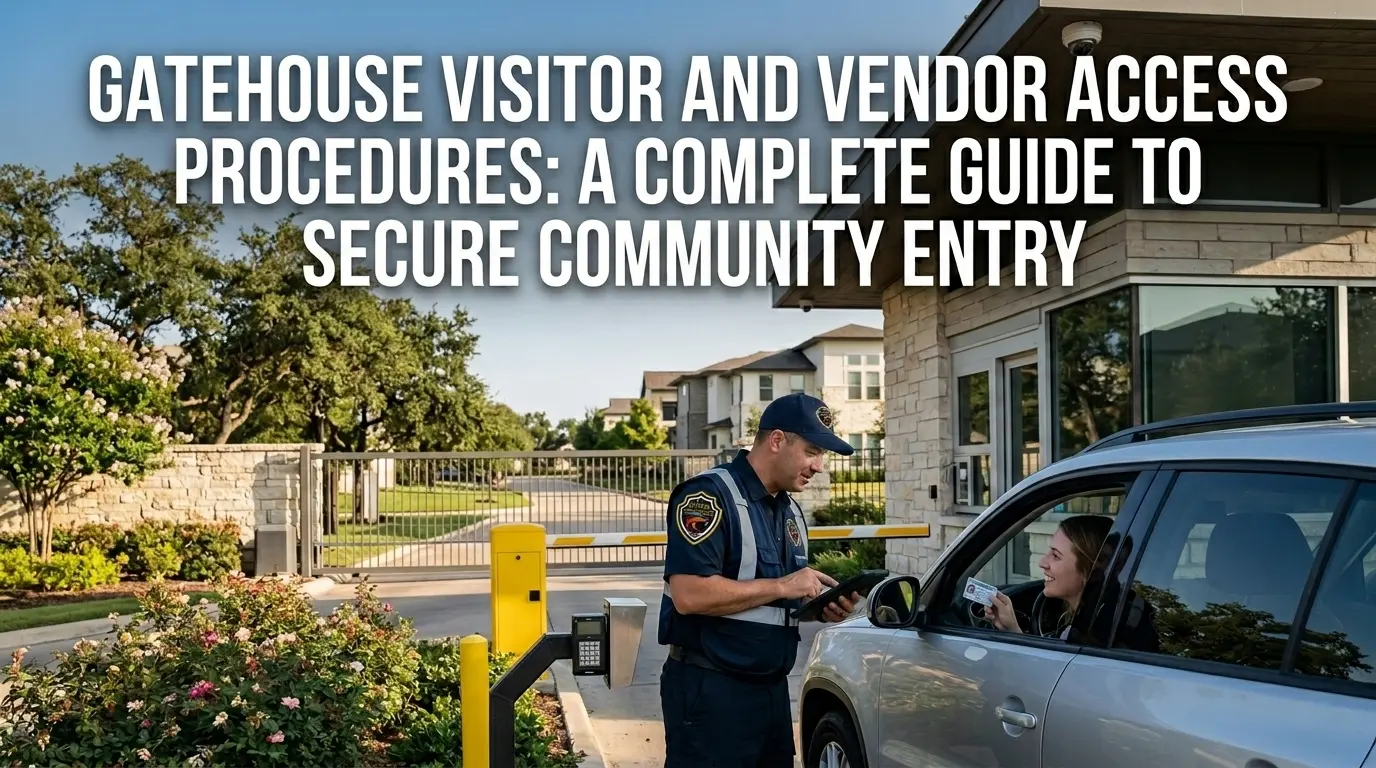


The boundary between physical and cyber security has become unclear in the modern globalized society. The position of security officers on the ground has ceased to be a secured person at the gates and buildings, but a key gateway against cyber threats that have the ability to render whole business complexes useless. As security-related technologies are becoming predominantly dependent on the digital realm: CCTV cameras and electronic access controls, mobile radios and communication applications, the cybersecurity awareness among security officers is becoming the key factor.
Cyber attacks are creating new trends and attacking physical security systems in order to obtain unauthorized access and steal sensitive information. This new landscape should be familiar to the security officers so that they can also identify threats and to be able to respond appropriately. This guide provides critical information on the relationship between the security officers and digital safety and provides effective measures that may be taken to secure valuable assets. Whether it is the creation of early detectors of phishing attacks or the securing of gadgets, it equips on-site staff to become the watchful eyes and ears of the physical and the virtual worlds.
Why Cybersecurity Matters for On-Site Security Personnel
Security officers are in a distinctive frontline of both offering physical protection of personnel and equipment, as well as providing physical protection to critical digital infrastructure. When a network is poorly practiced in cyber hygiene, hackers may take advantage of uncovered devices, a human factor, or social engineering to bypass security boundaries and steal valuable company information.
This connection is evidenced by many real-world killings, such as unauthorized access via cracked CCTV cameras or broken radios communicated by guards have resulted in information leaks and interruptions. The importance of cyber awareness in business complexes can not be overestimated. Guards are the most targeted as they usually carry mobile tablets, radios, and specialized security programs whose vigilance is crucial to the security officers and digital safety.
Common Cyber Threats Security Officers Must Understand
Phishing & Social Engineering Attempts
Phishing attacks are falsified signals that duct wares to the guards by requesting them to open malicious links or provide passwords. In social engineering, a person might pretend to be an IT technician and request that somebody grant him access to the system. Guards must be vigilant of any requests that are unusual, emails that are suspicious, or any pressure to bypass the protocol and these attempts have to be reported immediately.
Unauthorized Access to Security Devices
Hackers using weak passwords or untested software are threats to devices such as CCTV, gate access systems, or communication tools. These tools must be secured by guards both physically and digitally in order to avoid manipulations that could enable the intruders to gain physical access or disable the alarms.
Compromised Wi-Fi or Public Networks
Tablets or radios connected to unsecured Wi-Fi have the ability to spread sensitive data. The guards should not use public or untrusted networks as well and instead should use the company VPNs or secure connections where possible.
Data Theft & Device Loss
Phone, tablets, and security badges can be used to access confidential information by cybercriminals once lost. To reduce the chances of risks, lost equipment should be properly secured by guards and reported.
Essential Cyber Hygiene Practices for On-Site Security Teams
1. Strong Password and Access Control Practices
Assign different and complicated passwords to each equipment and system. Regular password changes and multi-factor authentication should also be enforced to increase the security walls.
2. Safe Use of Security Devices
The security tablets, radios, and apps should have lock screens that automatically turn on, and the gadgets need to be locked when off duty to prevent unauthorized use.
3. Avoiding Suspicious Links, Emails, and Attachments
Sources are verified before linking and attachment downloading. In case of a doubt, involve IT.
4. Regular Software Updates & Patch Management
The maintenance of all software is used to keep devices updated, preventing any exploitation by known vulnerabilities.
5. Secure Reporting and Documentation Procedures
To protect sensitive business information, incident logs, photos, and reports must be kept in a safe place, and sent only through safe channels.
These cyber hygiene practices for on-site security teams form the backbone of digital safety and reduce vulnerabilities.
Best Cybersecurity Practices for On-Site Security Staff
Control sharing of devices to avoid third-party access.
- Only applications that have passed through the company should be used and no third-party downloads should be utilized.
- Report any suspicious cyber incidents to the management or IT.
- Survey physical and Internet access regarding abnormality.
- Confirm the identity of anyone requesting network access, like IT techs and vendors.
These best practices in cybersecurity, as applied by on-site security personnel, help to bolster the general security measures and demand responsibility.
Training Security Officers to Handle Digital Threats
Cybersecurity training that is formal and continuous for the security personnel is a must. Frequent refresher training keeps the guards on the lookout of new threats and informs them how to identify digital red flags. The simulation of cyber-attacks provides a layer of defense by training the practical capabilities to respond to an attack, and integrating security and IT teams creates a frontline defense.
Security guard tech awareness is what would ensure that the guards are not afraid and know how to use security technology, and are aware of the digital threats. This type of training of the security officers in matters about digital threats uplifts the entire security program, thus making the business complexes secure.
How Guards Can Protect Company Data from Cyber Attacks
Enforcing Access Control Protocols
Guards should lock away visitor bookings, electronic passes and scans of IDs with care. Granting of access credentials is adequately controlled to curb possible cyber attacks and physical intrusion.
Protecting Confidential Business Information
There are close-guided requirements in dealing with delicate information. Guards are supposed to access the mere information and not share knowledge with others without a reason to minimize information exposure.
Preventing Insider Threats
It is important to be aware of red flags, such as acting suspiciously or speaking out of the ordinary by the staff. Insider threats can be prevented by rapid reporting to prevent damage.
These steps are crucial in how guards can protect company data from cyber attacks and safeguard business integrity.
Building a Cyber-Smart Security Culture in Business Complexes
An effective security culture results as a consequence of constant communication between security teams with IT. The use of standardized cyber safety protocols and education on modern skills periodically makes teams ready. Encouraging a cyber-first attitude transforms on-site officers into active threat fighters against the changing enemy.
Building cybersecurity among on-site security staff and adopting cybersecurity for security officers is a way of ensuring physical and cybersecurity functions with a solid bond aimed at striving and preserving valuable resources.
Conclusion
Due to the increased level of digitalization and complexity of businesses, the work of an on-site security officer is challenged with a variety of aspects besides physical security. They are now expected to defend against cyber attacks that expose sensitive business data and critical infrastructure to attacks. This combination of physical alertness and cyber hygiene of security men is what makes security teams such an important frontline.
In order to offer holistic defenses against business environments, firms ought to be ready to embed cybersecurity training for security staff in their current operations. The security officers can identify threats within the time they can respond to them effectively, and keep the environment at a safe condition once invested in continuous digital safety training.
For comprehensive digital security training tailored to your security teams, visit All Florida Security Services and safeguard your business from cyber threats, today: Lost devices can provide unauthorized access to sensitive data unless they are properly secured and reported immediately.
FAQ’s
What is the role of security officers in cybersecurity?
Security officers protect not only physical assets but also digital infrastructure by maintaining device security, recognizing cyber threats, and following cyber hygiene best practices.
How can security officers prevent cyber threats like phishing?
Thus, recognizing suspicious emails or requests and checking the source before taking action and reporting any suspicious activity as quickly as possible.
Why is training important for security personnel’s cyber awareness?
Frequent training will ensure that guards are informed of emerging threats, acquire digital skills and are fit to deal with any cyber incident efficiently.
How does losing a security device pose a cyber risk?
Unauthorized access to sensitive information unless they are secured and reported to as soon as possible.